Many ISAR 3 faults can be recognised by their appearance. Below we show typical fault patterns – with our own photos of real devices – so you can better assess whether a repair is worthwhile.
Photo gallery: real defects
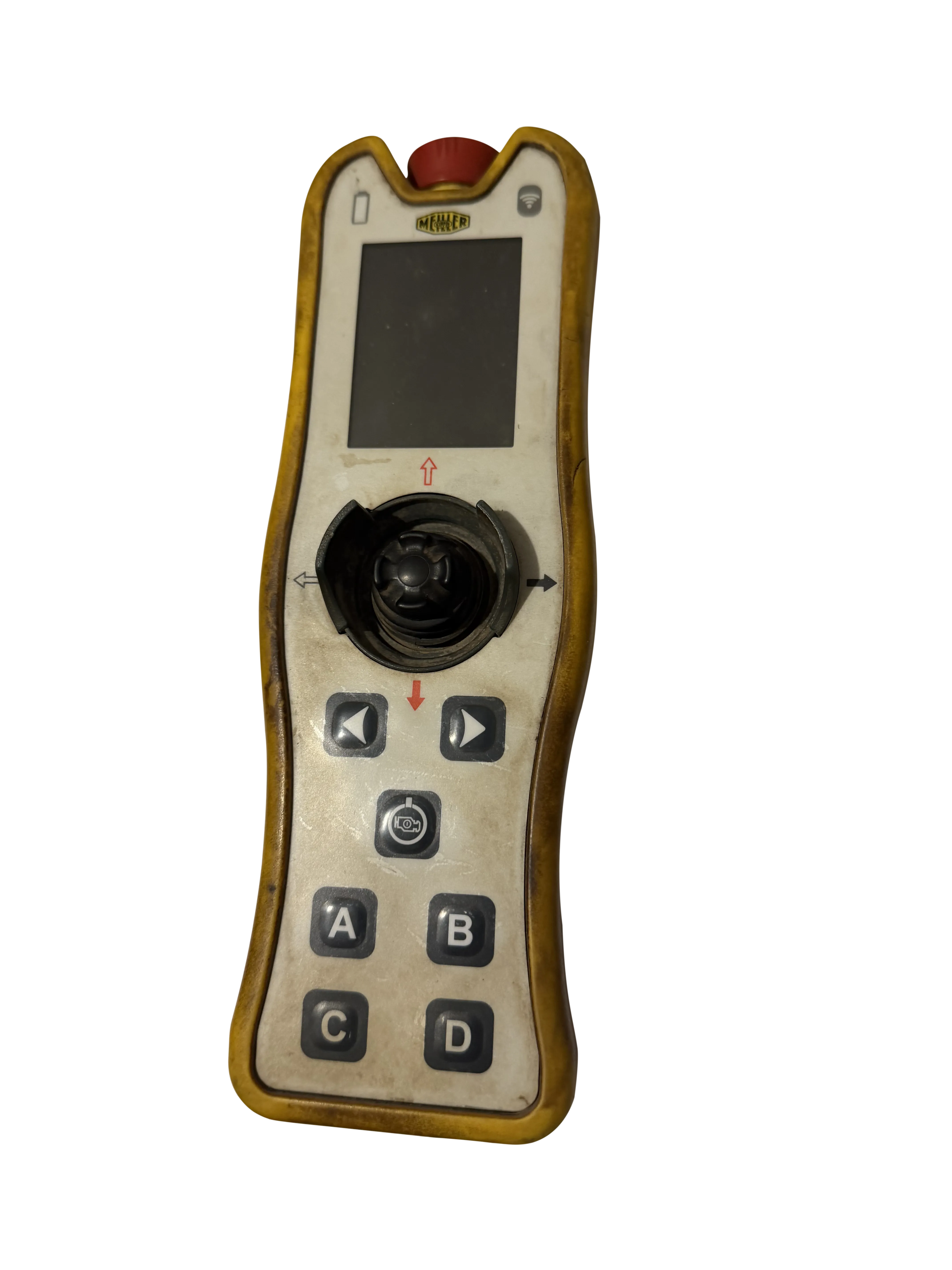
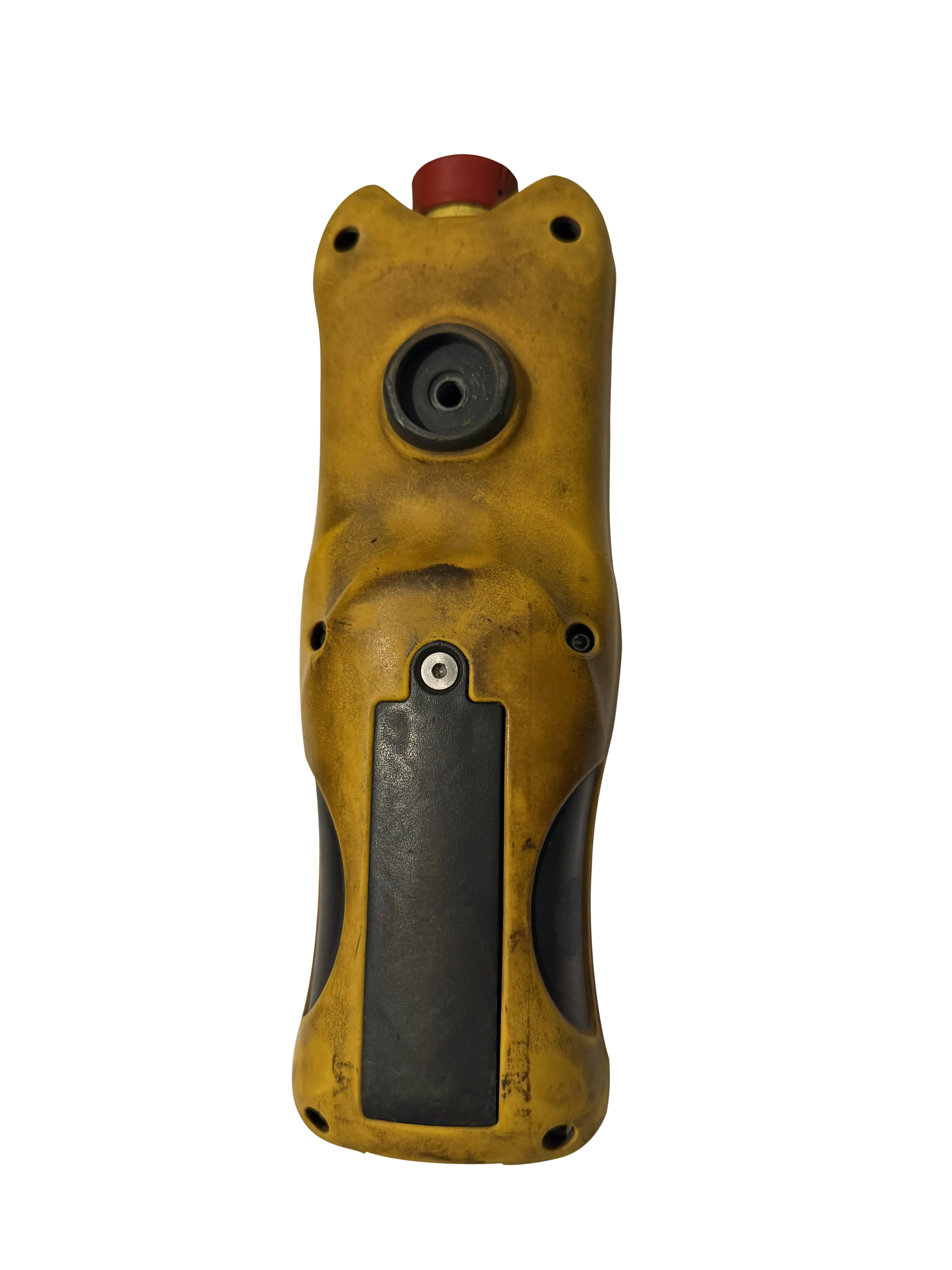
All photos are our own images of real devices.
Corrosion & moisture damage
Penetrating moisture is the most common cause of defects. Tell-tale signs are green or white deposits on the battery contacts, traces of moisture in the battery compartment, or a remote that responds unreliably despite fresh batteries. Once corrosion reaches the board, function is no longer guaranteed.
Faulty buttons & joystick
Mechanical wear shows up as buttons that no longer click, stick or only work with heavy pressure, or a joystick that no longer returns cleanly to its centre position. Often only individual functions fail while the rest still works – a clear sign of mechanical damage.
Display & indicator faults
Streaks, dark areas, a flickering or completely dark display point to a defect in the screen or its connection. Sometimes the device still sends commands but no longer shows feedback. Such faults require inspection of the electronics.
Radio & range problems
A bent, damaged or broken antenna and faults in the RF section noticeably reduce range. If the remote only works right next to the vehicle despite fresh batteries and a clear line of sight, the radio part is usually affected.
Housing & drop damage
Cracks in the housing, a broken belt clip or a deformed front are typical after a fall. They are not only visual: cracks let moisture in and can loosen internal components. Visible housing damage should always be checked.
Defect identified – what now?
Whichever fault pattern matches yours: send the device in for diagnosis. We assess the condition, repair all necessary components and ship the device back with a 12-month warranty. With our exchange system you can also order an already repaired ISAR 3 directly.